
Introduction
Healthcare is not only about treating illnesses—it is about preventing them before they become serious.
In our previous healthcare initiatives, we focused on improving healthcare access, encouraging healthy lifestyles, identifying health concerns among students, addressing malnutrition, and empowering communities through awareness. These efforts revealed one important reality: many health problems can be reduced or even avoided through timely awareness and preventive care.
Preventive healthcare is one of the strongest foundations of a healthier society. By educating people, promoting regular health check-ups, and encouraging healthy habits, communities can protect themselves from long-term health risks and improve overall well-being.
Why Early Awareness Matters
Many health conditions become dangerous because they are detected too late.
Common issues such as:
- Malnutrition
- Diabetes
- Anemia
- High blood pressure
- Vision and dental problems
…often begin with small symptoms that are ignored.
Early awareness helps people:
- Recognize warning signs
- Seek medical support sooner
- Prevent complications and higher treatment costs
This is especially important in underserved communities where healthcare access may already be limited.
Healthy Habits Begin at Home
Prevention starts with simple daily habits.
Small actions can make a major difference:
- Washing hands regularly
- Eating balanced meals
- Staying physically active
- Drinking clean water
- Getting enough sleep
When families adopt healthy routines together, children also grow up with stronger health awareness and lifelong healthy behaviors.
The Importance of Regular Health Check-Ups
Regular check-ups help identify health issues before they become severe.
Health screenings can:
- Detect nutritional deficiencies
- Monitor child growth and development
- Identify chronic illnesses early
- Improve chances of successful treatment
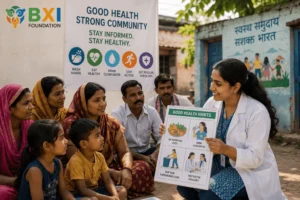
For many people, especially in rural and low-income communities, awareness camps and community health drives become the first step toward proper medical care.
Educating Communities Creates Long-Term Impact
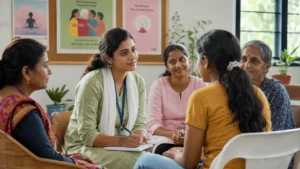
Preventive healthcare becomes more effective when communities are informed and involved.
Awareness programs help people:
- Understand disease prevention
- Break myths and misconceptions
- Encourage timely medical consultation
- Promote hygiene and sanitation practices
When awareness spreads within communities, healthcare transforms from a reactive system into a proactive culture.
Building a Healthier Future Together
Preventive healthcare is not the responsibility of doctors alone. Families, schools, communities, organizations, and healthcare workers all play an important role in creating a healthier society.
By focusing on prevention today, we can reduce suffering, improve quality of life, and build stronger communities for tomorrow.
Conclusion
The journey toward better healthcare begins with awareness, prevention, and early action.
At BXI Foundation, we believe that empowering people with knowledge and access to preventive care can create healthier and more resilient communities. Because sometimes, the best treatment is preventing the illness before it begins.