Introduction
Access to healthcare should never depend on where a person lives, how much they earn, or whether they can afford to travel to the nearest hospital. Yet, for many families across India, receiving timely and appropriate medical care remains a daily challenge.
For some, the nearest healthcare facility may be several kilometres away. For others, the cost of consultations, medicines, diagnostic tests, and transportation can make even basic treatment difficult to afford. Limited awareness and shortages of healthcare professionals can create additional barriers, particularly in rural and underserved communities.
These challenges highlight an important reality: having healthcare facilities is not enough if people cannot access the services they need. At BXI Foundation, we believe that building healthier communities requires more than medical treatment. It requires awareness, accessible services, community participation, and a collective commitment to ensuring that people are not left behind.
Understanding the Barriers to Healthcare Access
Healthcare accessibility involves more than the availability of hospitals and clinics. It also includes affordability, geographical reach, timely treatment, and the ability to understand and navigate healthcare services. For many low-income families, these factors are closely connected. A medical consultation may appear affordable initially, but transportation expenses, lost wages, medicines, and follow-up visits can increase the overall cost.
When these barriers accumulate, people may postpone consultations or discontinue treatment. Delayed care can allow manageable health concerns to become more serious. Understanding these challenges is the first step toward developing practical solutions that respond to the needs of different communities.
Why Rural and Underserved Communities Need Greater Support
People living in remote villages and underserved neighbourhoods may experience additional difficulties accessing healthcare. Long travel distances, limited public transport, shortages of medical professionals, and inadequate awareness of available services can make timely treatment challenging.
Older adults, people with disabilities, daily-wage workers, and families experiencing financial hardship may face particular difficulties navigating healthcare systems. Improving healthcare access requires solutions that reflect these realities rather than relying on a single approach for every community. Mobile medical services, local health outreach, referral support, and accessible health information can help connect people with appropriate care where these services are available.
The Financial Burden of Medical Treatment
For families living on limited incomes, an unexpected illness can create significant financial pressure. Medical expenses may compete with essential household needs such as food, housing, education, and transportation. Some families may delay seeking medical advice because they are uncertain whether they can afford the recommended treatment.
This makes affordable healthcare an important part of social development. Awareness of eligible government health schemes, public healthcare facilities, and available assistance programmes can help families make informed decisions. Clear information about eligibility and the services covered is equally important. Healthcare should aim to protect people’s well-being without placing avoidable financial pressure on vulnerable households.
Health Awareness Must Reach the People Who Need It Most
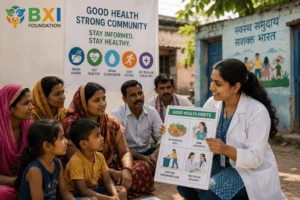
Even when healthcare services are available, people may not know where to go, which services they can access, or when they should seek medical attention. Health awareness can help bridge this information gap. Community outreach programmes can share information about maternal health, child health, vaccinations, common illnesses, available public health services, and the importance of seeking qualified medical advice.
Information should be easy to understand, culturally appropriate, and available in languages people use in their daily lives. When communities have reliable health information, individuals are better equipped to make informed decisions and seek appropriate care.
The Role of NGOs in Improving Healthcare Accessibility
Non-governmental organisations can help connect communities with healthcare information, services, and support systems. Depending on their programmes and resources, NGOs may organise health awareness sessions, coordinate medical camps, facilitate referrals, support eligible beneficiaries in navigating public services, and work with local healthcare providers.
Their community relationships can help identify practical barriers that might otherwise remain overlooked. However, sustainable healthcare improvement requires collaboration. NGOs, government institutions, healthcare professionals, local organisations, and community members all have important roles to play. When these stakeholders work together, healthcare initiatives can become more responsive to local needs and better connected to existing services.
How BXI Foundation Can Contribute to Accessible Healthcare
At BXI Foundation, improving community well-being begins with recognising the challenges people face in accessing essential services. Community awareness, outreach, and collaboration can help people better understand available healthcare resources and the importance of seeking timely medical attention.
By engaging with local communities and relevant healthcare stakeholders, initiatives can focus on identifying needs, sharing reliable information, and connecting individuals with appropriate support. The goal is not simply to increase awareness, but to help make healthcare information and available services easier for communities to navigate.
Any programme should be developed around identified community needs, reliable partnerships, and measurable outcomes so that its contribution can be evaluated over time.
Practical Steps Toward More Accessible Healthcare
Improving healthcare accessibility requires coordinated action and long-term commitment. Several approaches can help:
Strengthen community outreach: Bring reliable healthcare information closer to people through local awareness activities and partnerships.
Improve health literacy: Explain symptoms, preventive measures, treatment options, and available services in clear and accessible language.
Connect people with existing services: Help communities understand how to access public healthcare facilities and relevant assistance programmes.
Support vulnerable groups: Identify the practical barriers faced by people who may struggle to travel, pay for care, or navigate healthcare systems.
Build local partnerships: Encourage collaboration among healthcare providers, NGOs, community leaders, and public institutions.
Measure meaningful outcomes: Assess whether initiatives are reaching underserved populations and improving access to appropriate services.
These steps can help create a more inclusive approach to healthcare that focuses on people’s actual needs.
Conclusion
Healthcare accessibility is fundamental to a healthier and more equitable society. A hospital can provide treatment, but people must be able to reach it. A health programme can offer support, but communities must know how to access it. Medical services can save lives, but financial and geographical barriers should not prevent people from receiving appropriate care.
At BXI Foundation, we believe that stronger communities begin with recognising these challenges and working collectively toward practical solutions. By promoting awareness, supporting community engagement, and encouraging collaboration, we can contribute to a future where access to healthcare is not determined by a person’s circumstances. Because healthcare is not truly accessible until the people who need it most can reach it.