Introduction:
Good health is the foundation of a happy, productive, and fulfilling life. Access to proper healthcare allows individuals to live with dignity, prevent illnesses, receive timely treatment, and contribute positively to their families and communities.
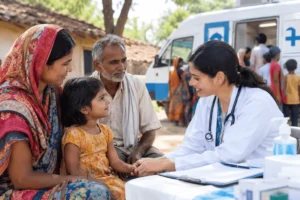
However, access to quality healthcare remains a major challenge for many people across India. While cities may offer hospitals, specialists, diagnostic facilities, and advanced medical services, people living in rural and underserved communities often struggle to access even basic healthcare facilities.
Financial difficulties, long travel distances, limited medical infrastructure, a shortage of healthcare professionals, and a lack of health awareness can prevent individuals from receiving timely medical attention. At BXI Foundation, we believe that healthcare accessibility is an essential part of community development. Building healthier communities requires more than medical facilities. It requires awareness, prevention, timely support, and collective responsibility. Because everyone deserves the opportunity to live a healthier life, regardless of their financial situation or geographical location.
Understanding the Healthcare Accessibility Gap in India
India has made considerable progress in healthcare infrastructure and medical technology. However, differences in healthcare access continue to affect people across different regions and economic backgrounds.
For many underserved families, visiting a doctor is not always easy. Even when medical facilities are available, the cost of treatment, transportation, medicines, and diagnostic tests can create additional difficulties.
Some common healthcare accessibility challenges include:
- Limited availability of healthcare facilities in remote areas.
- High medical expenses for financially vulnerable families.
- Shortage of qualified healthcare professionals in underserved locations.
- Limited access to diagnostic and preventive healthcare services.
- Lack of awareness about common illnesses and preventive measures.
- Difficulty accessing emergency medical assistance.
- Limited knowledge about available government healthcare schemes.
These challenges highlight why improving healthcare accessibility must remain an important priority for social development.
Why Access to Basic Healthcare Matters
Basic healthcare services play an important role in protecting individuals and preventing health complications. When people can access healthcare at the right time, they have better opportunities to identify health problems early, receive appropriate treatment, and maintain their overall well-being.
1. Early Diagnosis and Timely Treatment
Many health conditions become more difficult to manage when diagnosis and treatment are delayed. Regular medical consultations, health screenings, and timely access to healthcare professionals can help identify potential health concerns before they become more serious. Early medical attention can also reduce unnecessary complications and improve treatment outcomes.
2. Affordable Healthcare for Every Family
For economically disadvantaged families, medical expenses can become a significant financial burden. The cost of consultations, medicines, hospital visits, and diagnostic tests may force families to postpone or avoid treatment. Accessible and affordable healthcare services can reduce these financial barriers and help families prioritize their health without compromising other essential needs.
3. Preventive Healthcare and Health Awareness
Healthcare should not begin only when someone becomes ill. Preventive healthcare encourages individuals to understand their health, adopt healthier habits, and seek medical guidance when needed. Important preventive healthcare practices include:
- Regular health check-ups.
- Maintaining personal hygiene.
- Following a balanced and nutritious diet.
- Staying physically active.
- Understanding vaccination requirements.
- Recognizing early warning signs of illnesses.
- Seeking professional medical advice when necessary.
Awareness and prevention can help individuals make informed decisions about their health.
4. Better Healthcare for Rural Communities
Rural communities often experience additional barriers because healthcare facilities may be located far from residential areas. Limited transportation, inadequate infrastructure, and a shortage of medical professionals can make accessing treatment difficult. Strengthening primary healthcare services, supporting community health initiatives, and improving awareness can help reduce these gaps.
The Connection Between Healthcare and Community Development
Healthcare is not just an individual concern. It directly influences the development and well-being of entire communities. Healthy individuals are better positioned to participate in education, employment, family responsibilities, and community activities.
When healthcare becomes more accessible:
- Children have better opportunities to grow and develop.
- Adults can maintain healthier and more productive lives.
- Families experience less uncertainty around medical emergencies.
- Communities become more aware of preventive healthcare.
- Financial pressure caused by avoidable health complications can be reduced.
- Overall quality of life can improve.
This is why healthcare accessibility should be considered an important part of sustainable community development.
How Healthcare Awareness Can Make a Difference
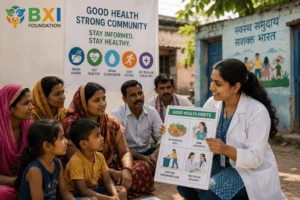
Medical infrastructure is important, but awareness is equally essential. People need to understand where to seek medical assistance, how to recognize potential health concerns, and why preventive care matters. Community-level healthcare awareness initiatives can help address these needs.
Promoting Health Education
Health education helps individuals understand basic healthcare practices, hygiene, nutrition, disease prevention, and the importance of professional medical guidance.
Encouraging Regular Health Screenings
Community health camps and screening initiatives can help people identify potential health concerns and understand when further medical consultation is required.
Supporting Women and Family Healthcare Awareness
Women and families need access to reliable information about maternal health, nutrition, reproductive health, vaccination, and preventive care.
Spreading Awareness About Government Healthcare Schemes
Many people may not know about healthcare benefits and public health services available to them. Sharing accurate information about eligible government healthcare schemes can help individuals understand and access available support.
How BXI Foundation Can Contribute to Better Community Healthcare
At BXI Foundation, we believe meaningful social development requires attention to essential areas such as education, healthcare, awareness, and community empowerment. Healthcare awareness and accessibility are important parts of building stronger communities. Through awareness, community participation, responsible partnerships, and support for healthcare-focused initiatives, organizations can help people understand the importance of preventive care and timely medical attention.
Collaborative efforts involving healthcare professionals, volunteers, local organizations, and community members can contribute to:
- Promoting basic health and hygiene awareness.
- Encouraging preventive healthcare practices.
- Sharing information about available medical services.
- Supporting community health awareness activities.
- Encouraging timely medical consultations.
- Promoting healthier lifestyles.
The goal is to create communities where people are informed, supported, and encouraged to take responsibility for their well-being.
How Individuals and Organizations Can Support Healthcare Initiatives
Improving healthcare accessibility requires collective effort. Individuals, businesses, NGOs, and institutions can all contribute to making healthcare more inclusive.
Here are some meaningful ways to participate:
1. Support Healthcare Awareness Campaigns
Share reliable information about preventive healthcare, hygiene, nutrition, and disease awareness.
2. Volunteer for Community Health Initiatives
Contribute time and skills to healthcare awareness activities and community outreach programs.
3. Support Medical Camps
Collaborate with qualified healthcare professionals and organizations to support health screening and medical awareness initiatives.
4. Encourage Corporate Social Responsibility (CSR)
Businesses can support healthcare-focused CSR initiatives that improve access to medical information and essential services in underserved communities.
5. Promote Preventive Healthcare
Encourage families and communities to prioritize regular check-ups, healthy habits, and timely medical consultations. Even small contributions can help strengthen healthcare awareness and community participation.
Building a Healthier Future Together
A healthier society begins when everyone has an opportunity to access reliable healthcare information, preventive services, and appropriate medical attention. Bridging healthcare gaps is not a responsibility that belongs to hospitals or governments alone. It requires participation from communities, healthcare professionals, social organizations, businesses, and individuals.
By working together, we can help create an environment where healthcare is more accessible, awareness is stronger, and people are better equipped to protect their well-being.
Conclusion: Every Life Deserves Access to Better Healthcare
Healthcare is one of the most important foundations of human development. No individual should have to ignore a health concern simply because medical assistance is difficult to access or financially out of reach.
Improving healthcare accessibility means creating opportunities for early diagnosis, preventive care, affordable treatment, and informed decision-making. At BXI Foundation, we believe that stronger communities are built when people have access to the essential support and opportunities they need to live better lives. Because a healthier community is not just a better place to live; it is the foundation of a stronger and more sustainable future.