

Summary
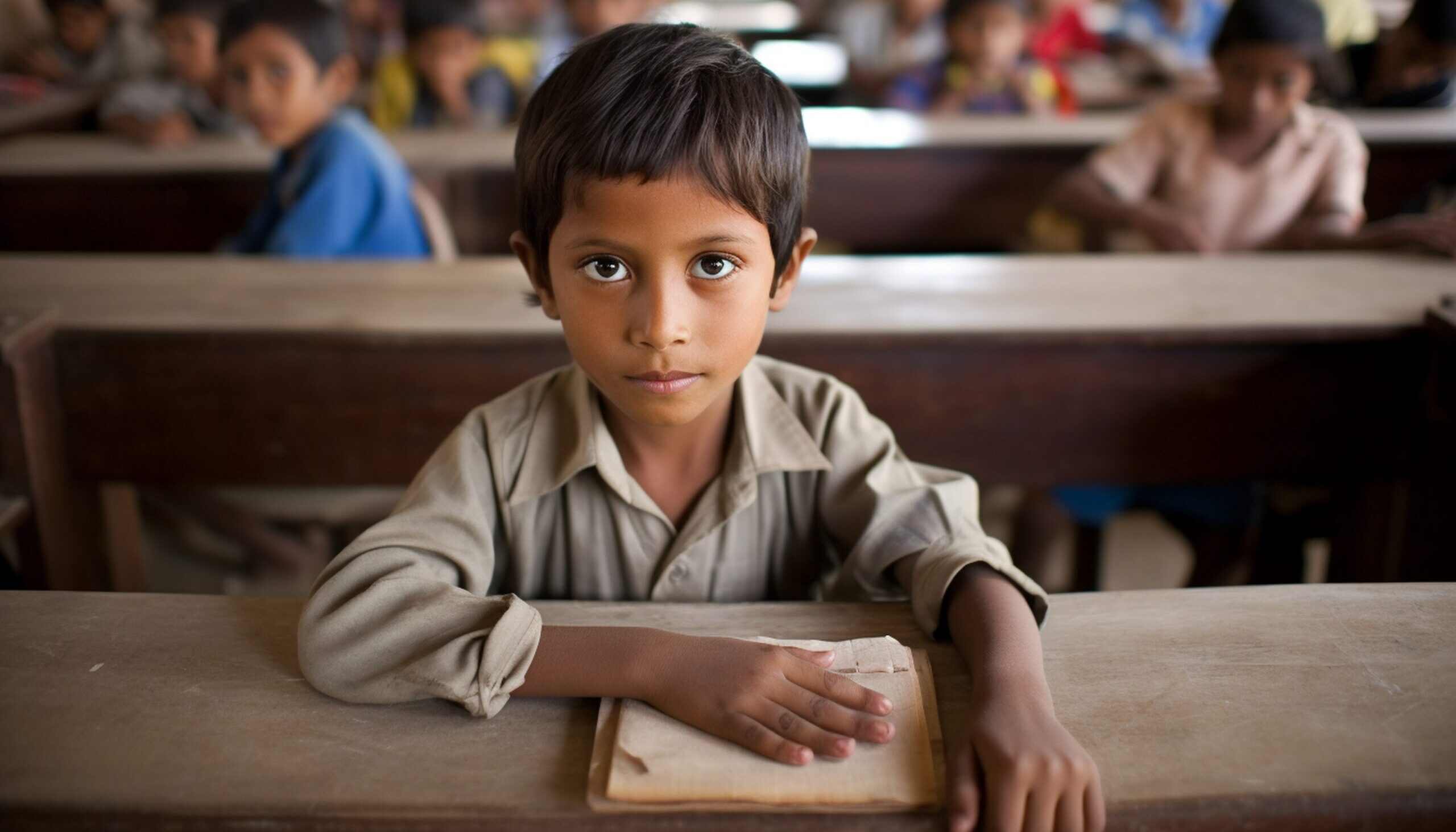
Education in rural India continues to face serious challenges such as poor school infrastructure, a shortage of trained teachers, limited digital access, poverty, and gender inequality. At the same time, strong opportunities exist through digital education, government schemes, skill development, and community participation. BXI Foundation works at the grassroots level to strengthen rural education systems by improving access, learning quality, and long-term outcomes for underprivileged children.
Why Education in Rural India Still Needs Urgent Attention
Education should empower every child, no matter where they are born. However, for millions of children living in rural India, quality education remains out of reach. Schools often operate with limited resources, outdated teaching methods, and low student retention.
As a result, children struggle to complete basic schooling, and communities remain trapped in cycles of poverty. Yet, with focused interventions, technology adoption, and community-driven action, rural education in India can change. This blog explores the key challenges, emerging opportunities, and the role of the BXI Foundation to create sustainable impact.
Major Challenges of Education in Rural India
1. Poor School Infrastructure
One of the biggest challenges of rural education in India is inadequate infrastructure. Many rural schools lack proper classrooms, libraries, science labs, electricity, clean drinking water, and sanitation facilities. Because of this, students often study in unsafe and uncomfortable environments, which directly affects learning outcomes.
2. Lack of Learning Resources and Technology
In addition to infrastructure issues, rural schools face a shortage of textbooks, teaching aids, and digital tools. Without access to technology and modern learning materials, students fall behind their urban peers, widening the education gap.
3. Shortage of Qualified Teachers
Teacher availability remains a critical issue. Rural areas often lack trained teachers, especially for mathematics, science, and English. Limited training opportunities and low incentives make it difficult to retain skilled educators in villages.
4. Gender Disparity in Rural Education
Although enrolment has improved, gender inequality in education still exists. In many rural communities, girls face early marriage, household responsibilities, and social restrictions that prevent them from continuing school.
5. Poverty and High Dropout Rates
Poverty strongly impacts education in rural India. Families dependent on agriculture or daily wage labour often prioritise survival over schooling. As a result, children are forced into work, which increases school dropout rates.
Opportunities to Transform Rural Education in India
Despite these challenges, several opportunities can significantly improve rural education outcomes.
1. Digital Education and Online Learning
Digital education in rural India can bridge the gap between access and quality. With internet connectivity, smart classrooms, and e-learning platforms, students can learn from expert educators beyond their villages. Moreover, digital tools make learning interactive and engaging.
2. Government Schemes for Rural Education
Government initiatives such as Samagra Shiksha, Mid-Day Meal Scheme, and National Scholarship Programs support enrollment, attendance, and retention. These schemes also improve nutrition, infrastructure, and teacher capacity.
3. Skill Development and Vocational Education
Skill-based education equips rural youth with employable skills. When schools integrate vocational training, students gain practical knowledge that improves job readiness and supports local economies.
4. Community Engagement in Education
Community participation plays a vital role in sustaining rural education. When parents, local leaders, and volunteers actively support schools, children remain motivated and accountable.
How BXI Foundation Is Strengthening Education in Rural India
BXI Foundation works to create long-term change in rural education by focusing on access, quality, and equity.
BXI Foundation’s Core Education Initiatives:
- Establishing bridge learning centres for out-of-school children
- Supporting rural school infrastructure development
- Promoting digital literacy and technology-enabled learning
- Encouraging girl child education and gender equality
- Training educators and community volunteers
- Partnering with local authorities to implement education schemes effectively
Through these initiatives, BXI Foundation ensures that children do not just attend school but also learn meaningfully.
Long-Term Impact of Quality Rural Education
Quality education transforms lives beyond the classroom. Educated children grow into confident individuals who contribute to economic growth, social stability, and community development. Therefore, investing in rural education directly supports India’s long-term progress.
BXI Foundation believes that education is the strongest tool to break the cycle of poverty. By empowering children today, we build resilient communities for tomorrow.
Bottom Line
Education in rural India faces complex challenges, including poor infrastructure, teacher shortages, poverty, and gender inequality. However, with digital education, government support, skill development, and strong community involvement, these challenges can be overcome.
BXI Foundation continues to work at the grassroots level to ensure that every child in rural India has access to quality education. With collective action and sustained effort, we can create an inclusive education system that leaves no child behind.
Frequently Asked Questions (FAQs)
What role does the BXI Foundation play in rural education in India?
The BXI Foundation plays a critical role in rural education by improving school infrastructure, supporting digital learning, training teachers, mobilising communities, and strengthening the implementation of government schemes. They bridge gaps where public systems face limitations and ensure underprivileged children receive quality education.