Foundation

Healthcare for Everyone: Bridging the Gap in Access to Quality Medical Care

Introduction:

Good health is the foundation of a happy, productive, and fulfilling life. Access to proper healthcare allows individuals to live with dignity, prevent illnesses, receive timely treatment, and contribute positively to their families and communities.

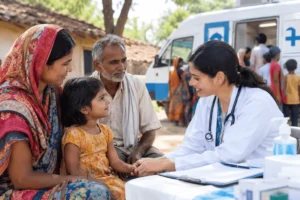
However, access to quality healthcare remains a major challenge for many people across India. While cities may offer hospitals, specialists, diagnostic facilities, and advanced medical services, people living in rural and underserved communities often struggle to access even basic healthcare facilities.

Financial difficulties, long travel distances, limited medical infrastructure, a shortage of healthcare professionals, and a lack of health awareness can prevent individuals from receiving timely medical attention. At BXI Foundation, we believe that healthcare accessibility is an essential part of community development. Building healthier communities requires more than medical facilities. It requires awareness, prevention, timely support, and collective responsibility. Because everyone deserves the opportunity to live a healthier life, regardless of their financial situation or geographical location.

Understanding the Healthcare Accessibility Gap in India

India has made considerable progress in healthcare infrastructure and medical technology. However, differences in healthcare access continue to affect people across different regions and economic backgrounds.

For many underserved families, visiting a doctor is not always easy. Even when medical facilities are available, the cost of treatment, transportation, medicines, and diagnostic tests can create additional difficulties.

Some common healthcare accessibility challenges include:

  • Limited availability of healthcare facilities in remote areas.
  • High medical expenses for financially vulnerable families.
  • Shortage of qualified healthcare professionals in underserved locations.
  • Limited access to diagnostic and preventive healthcare services.
  • Lack of awareness about common illnesses and preventive measures.
  • Difficulty accessing emergency medical assistance.
  • Limited knowledge about available government healthcare schemes.

These challenges highlight why improving healthcare accessibility must remain an important priority for social development.

Why Access to Basic Healthcare Matters

Basic healthcare services play an important role in protecting individuals and preventing health complications. When people can access healthcare at the right time, they have better opportunities to identify health problems early, receive appropriate treatment, and maintain their overall well-being.

1. Early Diagnosis and Timely Treatment

Many health conditions become more difficult to manage when diagnosis and treatment are delayed. Regular medical consultations, health screenings, and timely access to healthcare professionals can help identify potential health concerns before they become more serious. Early medical attention can also reduce unnecessary complications and improve treatment outcomes.

2. Affordable Healthcare for Every Family

For economically disadvantaged families, medical expenses can become a significant financial burden. The cost of consultations, medicines, hospital visits, and diagnostic tests may force families to postpone or avoid treatment. Accessible and affordable healthcare services can reduce these financial barriers and help families prioritize their health without compromising other essential needs.

3. Preventive Healthcare and Health Awareness

Healthcare should not begin only when someone becomes ill. Preventive healthcare encourages individuals to understand their health, adopt healthier habits, and seek medical guidance when needed. Important preventive healthcare practices include:

  • Regular health check-ups.
  • Maintaining personal hygiene.
  • Following a balanced and nutritious diet.
  • Staying physically active.
  • Understanding vaccination requirements.
  • Recognizing early warning signs of illnesses.
  • Seeking professional medical advice when necessary.

Awareness and prevention can help individuals make informed decisions about their health.

4. Better Healthcare for Rural Communities

Rural communities often experience additional barriers because healthcare facilities may be located far from residential areas. Limited transportation, inadequate infrastructure, and a shortage of medical professionals can make accessing treatment difficult. Strengthening primary healthcare services, supporting community health initiatives, and improving awareness can help reduce these gaps.

The Connection Between Healthcare and Community Development

Healthcare is not just an individual concern. It directly influences the development and well-being of entire communities. Healthy individuals are better positioned to participate in education, employment, family responsibilities, and community activities.

When healthcare becomes more accessible:

  • Children have better opportunities to grow and develop.
  • Adults can maintain healthier and more productive lives.
  • Families experience less uncertainty around medical emergencies.
  • Communities become more aware of preventive healthcare.
  • Financial pressure caused by avoidable health complications can be reduced.
  • Overall quality of life can improve.

This is why healthcare accessibility should be considered an important part of sustainable community development.

How Healthcare Awareness Can Make a Difference

Medical infrastructure is important, but awareness is equally essential. People need to understand where to seek medical assistance, how to recognize potential health concerns, and why preventive care matters. Community-level healthcare awareness initiatives can help address these needs.

Promoting Health Education

Health education helps individuals understand basic healthcare practices, hygiene, nutrition, disease prevention, and the importance of professional medical guidance.

Encouraging Regular Health Screenings

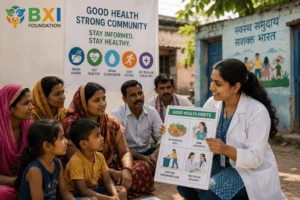
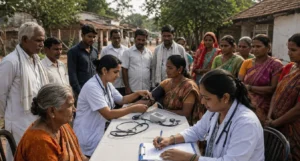
Community health camps and screening initiatives can help people identify potential health concerns and understand when further medical consultation is required.

Supporting Women and Family Healthcare Awareness

Women and families need access to reliable information about maternal health, nutrition, reproductive health, vaccination, and preventive care.

Spreading Awareness About Government Healthcare Schemes

Many people may not know about healthcare benefits and public health services available to them. Sharing accurate information about eligible government healthcare schemes can help individuals understand and access available support.

How BXI Foundation Can Contribute to Better Community Healthcare

At BXI Foundation, we believe meaningful social development requires attention to essential areas such as education, healthcare, awareness, and community empowerment. Healthcare awareness and accessibility are important parts of building stronger communities. Through awareness, community participation, responsible partnerships, and support for healthcare-focused initiatives, organizations can help people understand the importance of preventive care and timely medical attention.

Collaborative efforts involving healthcare professionals, volunteers, local organizations, and community members can contribute to:

  • Promoting basic health and hygiene awareness.
  • Encouraging preventive healthcare practices.
  • Sharing information about available medical services.
  • Supporting community health awareness activities.
  • Encouraging timely medical consultations.
  • Promoting healthier lifestyles.

The goal is to create communities where people are informed, supported, and encouraged to take responsibility for their well-being.

How Individuals and Organizations Can Support Healthcare Initiatives

Improving healthcare accessibility requires collective effort. Individuals, businesses, NGOs, and institutions can all contribute to making healthcare more inclusive.

Here are some meaningful ways to participate:

1. Support Healthcare Awareness Campaigns

Share reliable information about preventive healthcare, hygiene, nutrition, and disease awareness.

2. Volunteer for Community Health Initiatives

Contribute time and skills to healthcare awareness activities and community outreach programs.

3. Support Medical Camps

Collaborate with qualified healthcare professionals and organizations to support health screening and medical awareness initiatives.

4. Encourage Corporate Social Responsibility (CSR)

Businesses can support healthcare-focused CSR initiatives that improve access to medical information and essential services in underserved communities.

5. Promote Preventive Healthcare

Encourage families and communities to prioritize regular check-ups, healthy habits, and timely medical consultations. Even small contributions can help strengthen healthcare awareness and community participation.

Building a Healthier Future Together

A healthier society begins when everyone has an opportunity to access reliable healthcare information, preventive services, and appropriate medical attention. Bridging healthcare gaps is not a responsibility that belongs to hospitals or governments alone. It requires participation from communities, healthcare professionals, social organizations, businesses, and individuals.

By working together, we can help create an environment where healthcare is more accessible, awareness is stronger, and people are better equipped to protect their well-being.

Conclusion: Every Life Deserves Access to Better Healthcare

Healthcare is one of the most important foundations of human development. No individual should have to ignore a health concern simply because medical assistance is difficult to access or financially out of reach.

Improving healthcare accessibility means creating opportunities for early diagnosis, preventive care, affordable treatment, and informed decision-making. At BXI Foundation, we believe that stronger communities are built when people have access to the essential support and opportunities they need to live better lives. Because a healthier community is not just a better place to live; it is the foundation of a stronger and more sustainable future.
Frequently Asked Questions (FAQs)

+ What is healthcare accessibility?
Healthcare accessibility refers to how easily individuals can obtain necessary medical services, including consultations, diagnostic tests, medicines, preventive care, and treatment, regardless of their financial situation or geographical location.
+ Why is affordable healthcare important in India?
Affordable healthcare helps financially vulnerable families receive necessary medical attention without facing excessive financial pressure. It also encourages early diagnosis, preventive care, and better health outcomes.
+ What are the major healthcare challenges in rural India?
Major challenges include limited medical infrastructure, shortages of healthcare professionals, long travel distances, financial difficulties, and limited awareness about preventive healthcare.
+ How can healthcare awareness improve community health?
Healthcare awareness helps individuals understand preventive measures, recognize early symptoms, maintain hygiene, follow healthier lifestyles, and seek professional medical advice when required.
+ What is the importance of preventive healthcare?
Preventive healthcare focuses on reducing health risks through regular check-ups, vaccinations, healthy habits, screenings, and early identification of potential health conditions.
+ How can NGOs contribute to healthcare awareness in India?
NGOs can support healthcare awareness through community education, outreach initiatives, partnerships with medical professionals, health awareness campaigns, and information about available healthcare services.
+ How can individuals support healthcare initiatives?
Individuals can volunteer, support health awareness campaigns, contribute to healthcare-focused initiatives, share reliable medical information, and encourage preventive healthcare practices.
+ What role does CSR play in improving healthcare accessibility?
Corporate Social Responsibility can support healthcare awareness, medical infrastructure, health screening initiatives, preventive healthcare education, and community health programs.

Healthcare for Everyone: Breaking Barriers to Medical Access in Underserved Communities

Introduction

Access to healthcare should never depend on where a person lives, how much they earn, or whether they can afford to travel to the nearest hospital. Yet, for many families across India, receiving timely and appropriate medical care remains a daily challenge.

For some, the nearest healthcare facility may be several kilometres away. For others, the cost of consultations, medicines, diagnostic tests, and transportation can make even basic treatment difficult to afford. Limited awareness and shortages of healthcare professionals can create additional barriers, particularly in rural and underserved communities.

These challenges highlight an important reality: having healthcare facilities is not enough if people cannot access the services they need. At BXI Foundation, we believe that building healthier communities requires more than medical treatment. It requires awareness, accessible services, community participation, and a collective commitment to ensuring that people are not left behind.

Understanding the Barriers to Healthcare Access

Healthcare accessibility involves more than the availability of hospitals and clinics. It also includes affordability, geographical reach, timely treatment, and the ability to understand and navigate healthcare services. For many low-income families, these factors are closely connected. A medical consultation may appear affordable initially, but transportation expenses, lost wages, medicines, and follow-up visits can increase the overall cost.

When these barriers accumulate, people may postpone consultations or discontinue treatment. Delayed care can allow manageable health concerns to become more serious. Understanding these challenges is the first step toward developing practical solutions that respond to the needs of different communities.

Why Rural and Underserved Communities Need Greater Support

People living in remote villages and underserved neighbourhoods may experience additional difficulties accessing healthcare. Long travel distances, limited public transport, shortages of medical professionals, and inadequate awareness of available services can make timely treatment challenging.

Older adults, people with disabilities, daily-wage workers, and families experiencing financial hardship may face particular difficulties navigating healthcare systems. Improving healthcare access requires solutions that reflect these realities rather than relying on a single approach for every community. Mobile medical services, local health outreach, referral support, and accessible health information can help connect people with appropriate care where these services are available.

The Financial Burden of Medical Treatment

For families living on limited incomes, an unexpected illness can create significant financial pressure. Medical expenses may compete with essential household needs such as food, housing, education, and transportation. Some families may delay seeking medical advice because they are uncertain whether they can afford the recommended treatment.

This makes affordable healthcare an important part of social development. Awareness of eligible government health schemes, public healthcare facilities, and available assistance programmes can help families make informed decisions. Clear information about eligibility and the services covered is equally important. Healthcare should aim to protect people’s well-being without placing avoidable financial pressure on vulnerable households.

Health Awareness Must Reach the People Who Need It Most

Even when healthcare services are available, people may not know where to go, which services they can access, or when they should seek medical attention. Health awareness can help bridge this information gap. Community outreach programmes can share information about maternal health, child health, vaccinations, common illnesses, available public health services, and the importance of seeking qualified medical advice.

Information should be easy to understand, culturally appropriate, and available in languages people use in their daily lives. When communities have reliable health information, individuals are better equipped to make informed decisions and seek appropriate care.

The Role of NGOs in Improving Healthcare Accessibility

Non-governmental organisations can help connect communities with healthcare information, services, and support systems. Depending on their programmes and resources, NGOs may organise health awareness sessions, coordinate medical camps, facilitate referrals, support eligible beneficiaries in navigating public services, and work with local healthcare providers.

Their community relationships can help identify practical barriers that might otherwise remain overlooked. However, sustainable healthcare improvement requires collaboration. NGOs, government institutions, healthcare professionals, local organisations, and community members all have important roles to play. When these stakeholders work together, healthcare initiatives can become more responsive to local needs and better connected to existing services.

How BXI Foundation Can Contribute to Accessible Healthcare

At BXI Foundation, improving community well-being begins with recognising the challenges people face in accessing essential services. Community awareness, outreach, and collaboration can help people better understand available healthcare resources and the importance of seeking timely medical attention.

By engaging with local communities and relevant healthcare stakeholders, initiatives can focus on identifying needs, sharing reliable information, and connecting individuals with appropriate support. The goal is not simply to increase awareness, but to help make healthcare information and available services easier for communities to navigate.

Any programme should be developed around identified community needs, reliable partnerships, and measurable outcomes so that its contribution can be evaluated over time.

Practical Steps Toward More Accessible Healthcare

Improving healthcare accessibility requires coordinated action and long-term commitment. Several approaches can help:

Strengthen community outreach: Bring reliable healthcare information closer to people through local awareness activities and partnerships.

Improve health literacy: Explain symptoms, preventive measures, treatment options, and available services in clear and accessible language.

Connect people with existing services: Help communities understand how to access public healthcare facilities and relevant assistance programmes.

Support vulnerable groups: Identify the practical barriers faced by people who may struggle to travel, pay for care, or navigate healthcare systems.

Build local partnerships: Encourage collaboration among healthcare providers, NGOs, community leaders, and public institutions.

Measure meaningful outcomes: Assess whether initiatives are reaching underserved populations and improving access to appropriate services.

These steps can help create a more inclusive approach to healthcare that focuses on people’s actual needs.

Conclusion

Healthcare accessibility is fundamental to a healthier and more equitable society. A hospital can provide treatment, but people must be able to reach it. A health programme can offer support, but communities must know how to access it. Medical services can save lives, but financial and geographical barriers should not prevent people from receiving appropriate care.

At BXI Foundation, we believe that stronger communities begin with recognising these challenges and working collectively toward practical solutions. By promoting awareness, supporting community engagement, and encouraging collaboration, we can contribute to a future where access to healthcare is not determined by a person’s circumstances. Because healthcare is not truly accessible until the people who need it most can reach it.

Frequently Asked Questions (FAQs)

+ What is healthcare accessibility?
Healthcare accessibility means that people can obtain appropriate health services when they need them, without unreasonable geographical, financial, physical, or informational barriers.
+ Why is healthcare access a challenge in rural India?
Challenges may include long travel distances, limited transport, shortages of healthcare professionals, financial constraints, and insufficient information about available services.
+ How can NGOs help improve healthcare access?
NGOs can support health awareness, community outreach, referrals, partnerships with healthcare providers, and information about available public services.
+ How can families find affordable healthcare in India?
Families can explore government hospitals, public health centres, eligible government health schemes, and officially recognised assistance programmes. Eligibility and coverage should be verified through official sources.
+ Why is health awareness important for underserved communities?
Health awareness helps people understand their options, recognise when to seek medical attention, and make informed decisions about available healthcare services.
+ What role does community participation play in healthcare?
Community participation helps identify local needs, improve awareness, build trust, and ensure that healthcare initiatives are responsive to the people they aim to serve.